Please Excuse Our Appearance: We Are Polishing Up Our Website and Some Features May Be Temporarily Unavailable

Low Rise Condominium Living

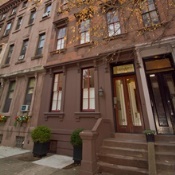
Living in a low rise or loft styled condominium can have its ups and downs. Here in Center City Philadelphia, we consider a low rise condominium to be an association that generally has anywhere from two to eight units, within a three to four story building. Defined as such due to the physical nature of how such properties simply exist in our area. Generally such structures are converted townhouses or small warehouse buildings, these low rise condominium associations have gained a lot of popularity since their inception in the mid 1980’s.

On the plus side, we find one of the attractions to be low condo fees. Since many of these buildings lack services that a high rise luxury condo building might hold, we can expect condo fees to reflect such a lack of service. No elevators, no door men, no concierge, no parking garage, etc. translates into a reduced common fee, which makes sense. Additionally, the small tight knit condo association, formed from anywhere (again) from two to eight member- each owner of course being a member. Less formal rules such as more liberal pet policies can be a major plus for those looking for condominium living. Also, the ability to play a central role in the budgetary process, and the management of the condominium building can be seen as a plus as well. Owners feel they have more say in to how their building is operated, how money is spent for improvements, and can informally change and add rules as they see fit.

On the possible down side, is a small association in and of itself. Some members may not want to be responsible for the operations of their buildings. They may want an outside management company to pay the bills and make decisions on capital improvements. These owners may not care for the fact that there are such few voting members, should they be “at war” with say another member of the association. A four unit condo association might have a tendency to be kind of an US verses THEM scenario. Additionally, the lack of services may be a drawback  to some potential buyers. Possibly a buyer may want the intimacy of a small condo association, but would prefer a little higher condo fee to say, have exterior windows washed on a regular basis, and have trash removed by an outside company twice a week.

Buying a low rise condominium suits many tastes. But certainly such a scenario is not for everyone. An open mind, and good communication between all members of such an association is important for its well being. I live in a four unit low rise building on Front Street in Old City Philly, with limited services, and I think the situation is just perfect. We all get along well, with the general notion that our decisions are based upon what is best for the association, and the long term upkeep of the building.

WTF is a Capitol Contribution & Why?

Twenty years ago, a Capital Contribution was a very rare line item paid by a buyer to reimburse the seller. Today, a Capitol Contribution is standard for almost any purchase, and the payment now goes to the condo association and not the seller.

So WTF is a Capitol Contribution?Quite simply, it is a one-time fee collected from every buyer. Those funds are paid to the condo association and added to their bank account for long-term capital improvements. Most commonly, the fee is equivalent to two months of condo fees. Though often, the fee can be as high as six months (for associations looking to build their kitty).

Everyone buyer pays the fee, so don’t think you are being singled out. And the money is not going to line someone else’s pocket. You’re basically paying the condo association in which you are now a member. So cough it up…

Never Piss Off A Doorman…

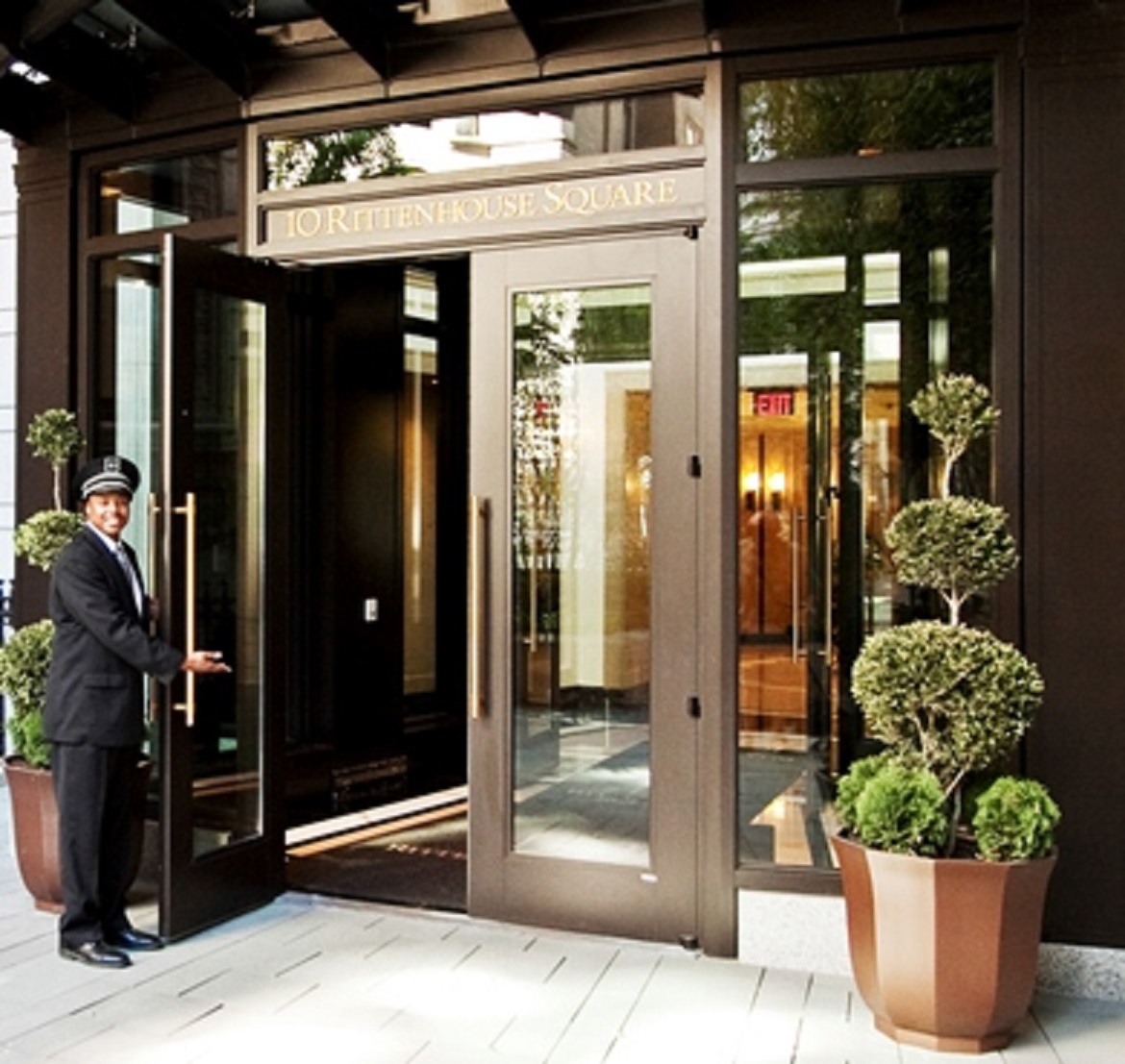
One way to ostracize yourself fairly quickly in your new condo building would be to get on the wrong side of the staff. If you want your packages and your guests to come and go without being tortured or put through a lengthy inquiry, then perhaps you should listen up.

Folks who live in doorman buildings quickly learn that the way to get anything done through the building is through the doorman. From allowing your guests access through the front door to helping you with your packages, a great relationship with staff can certainly make your living arrangements more enjoyable.  And from fetching your car, to walking your dog, doormen (and women) can make your life easy, and they often will go the extra mile for Philly condo owners who are friendly. And being greeted  with a smile each time you come home is a nice thing. Having a doorman who doesn’t like you is not a walk in the park. 

Believe me, I learned the hard way back in the late 1980s by being rude and pushy. I no longer live in that building, and I now treat doormen with respect. You should, too.

Your life will be made much easier if you never piss off your doorman. They are great for learning about building gossip, too…they seem to know everything. Oh, and tipping is generally done at the holiday season, either via a pooled fund which is collected by the building, or done individually. I would suggest you get yourself a stack of $20 bills and pass them out like Halloween Candy. This is not the time or place to be stingy! 🙂

Philadelphia Condo buildings

Why Do SOME Condo Units Have Super High Condo Fees?

I get  this question all the time. Why do condo fees vary from building to building?

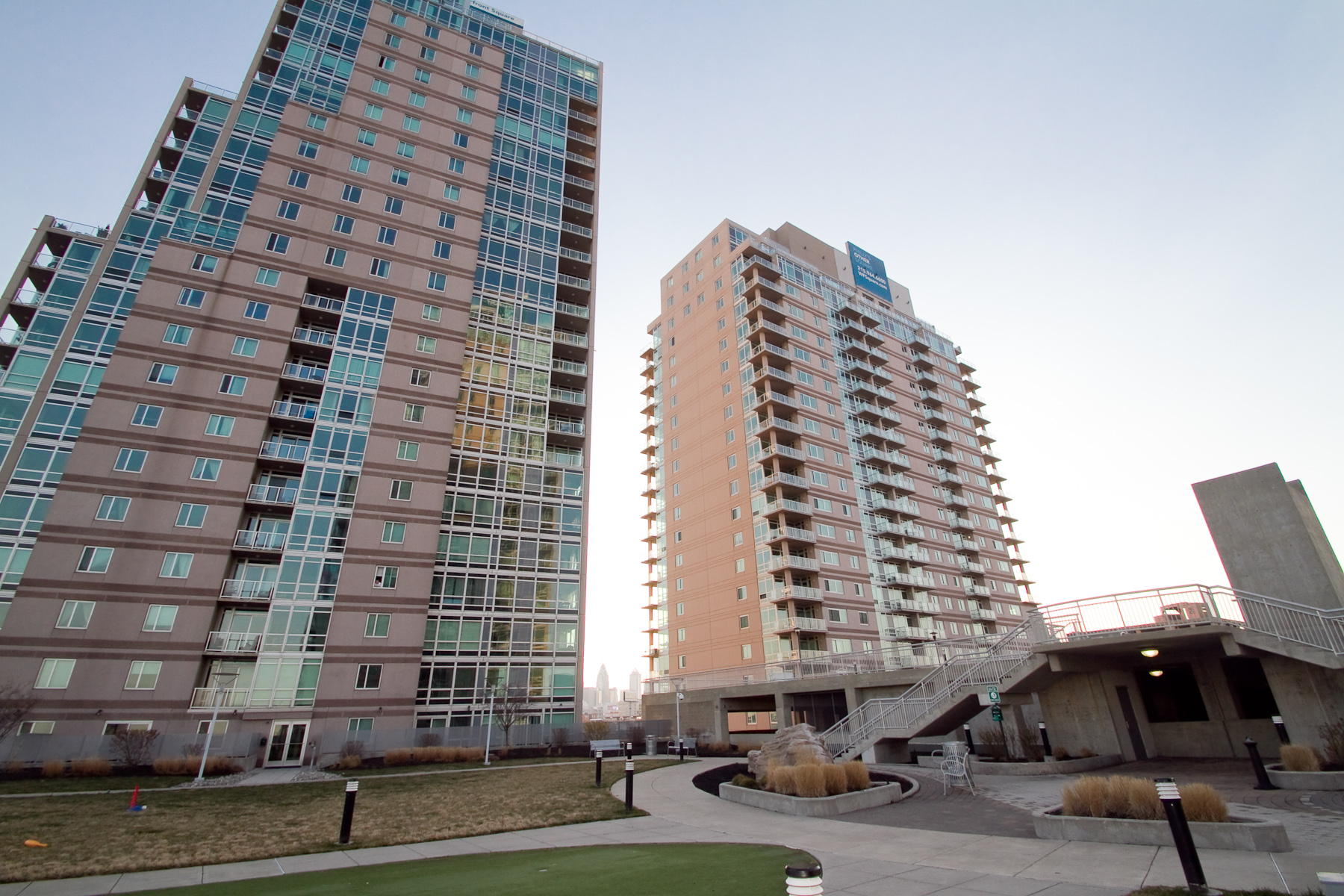
Generally speaking,the answer is simple, yet sometimes detailed. Let’s start with what almost all condo fees (here in Center City Philadelphia) cover: master insurance policy, common building lighting, building maintenance, water & sewer, and a what I call a “Rainy Day” fund for future improvements. This is generally true of low rise , mid rise, and high rise condos.

The base condo fees cover all of the above. Now we need to add in services.

Elevator: Some low rise condo buildings don’t have them. Therefore, they don’t have the fees to operate and maintain them.

Front Door Person: It does cost you to staff this position – Employees are not cheap!

Swimming Pools: If your building has one, it is going to cost you higher fees than if you didn’t have one (duh).

Management: Low rise (say, five unit buildings) are usually self managed, and avoid this cost.

Extras: Chauffeur, dog walking, room service, etc. YOU GOTTA PAY TO PLAY.

Every now and again, I will run across someone in a low rise building that says to me, “My condo fees are $25 a month,” and they think this is a good thing. I would suggest that it isn’t. If your association has enough in reserves to not have to collect for daily operation of the building, then you are simply draining from the savings account. And I would venture to guess that your building suffers from a lack of (much needed) on-going maintenance. I often encourage associations to keep the fees going, even if there is a lot of money in the association’s account.

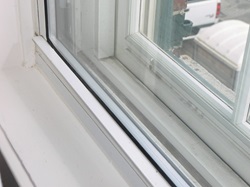
Condo fees that are too high can be a stopper for some buyers, as they are NOT looking for the services afforded by such fees. Conversely, condo fees that are too low can be a signal of a lack of ongoing maintenance (as evidenced by worn hallway carpets and paint, rotted exterior window sills, an old roof, etc).

What do you think? We welcome your input/comments on this post!

Mark Wade
BHHS Fox & Roach Realtors®
www.CenterCityCondos.com