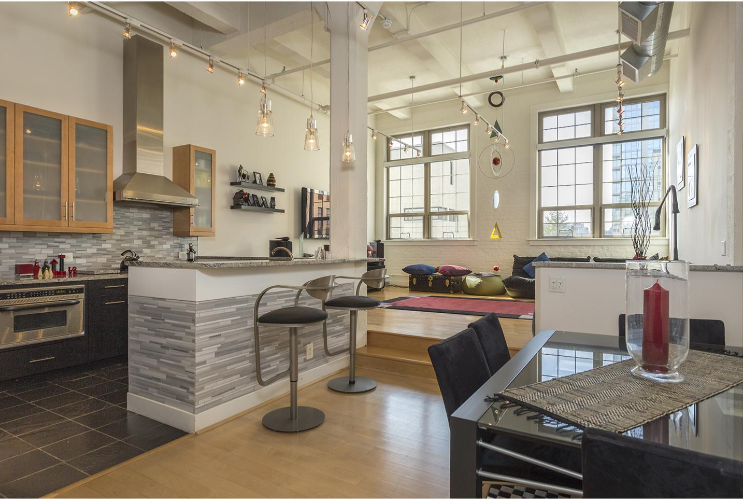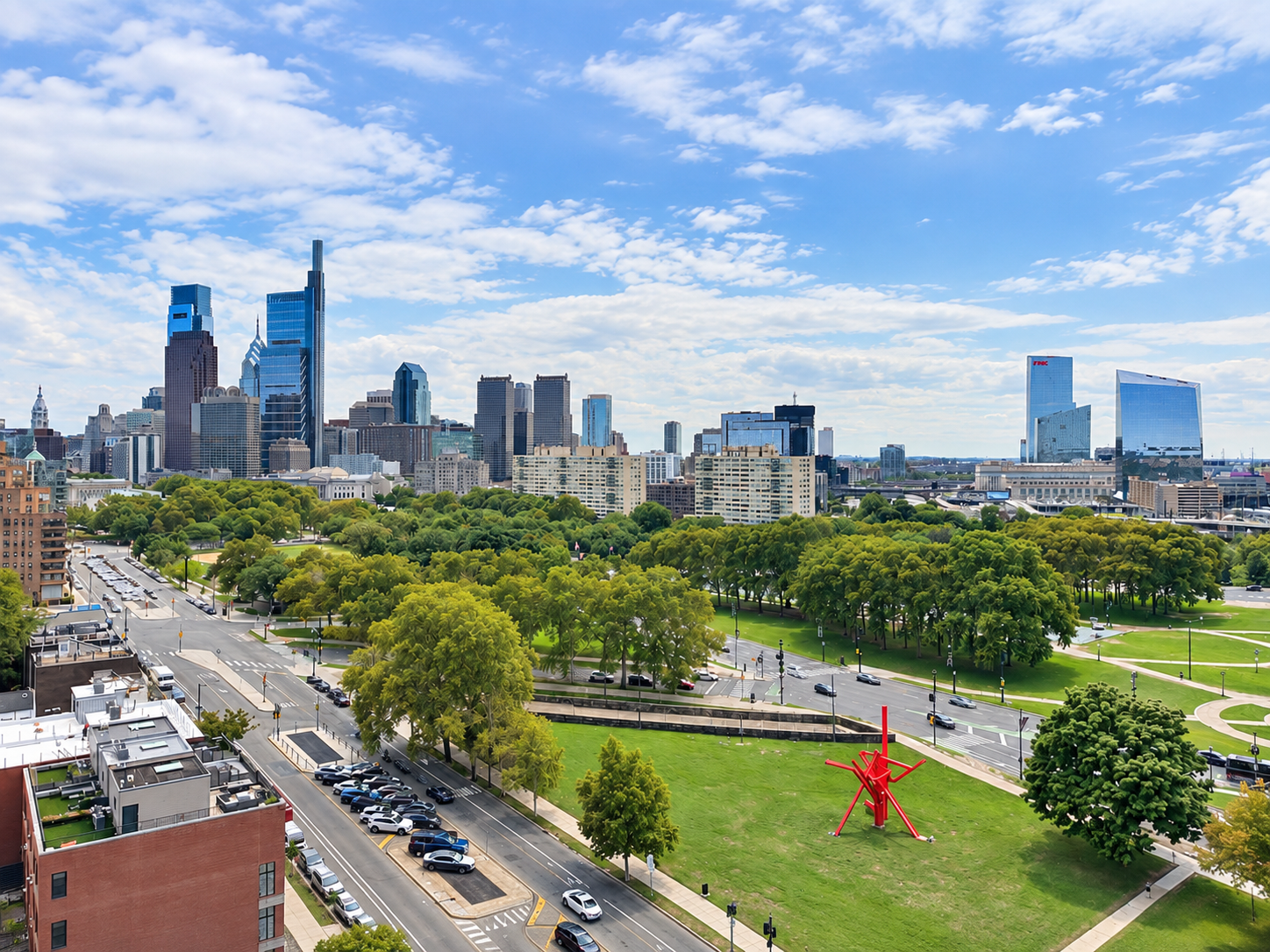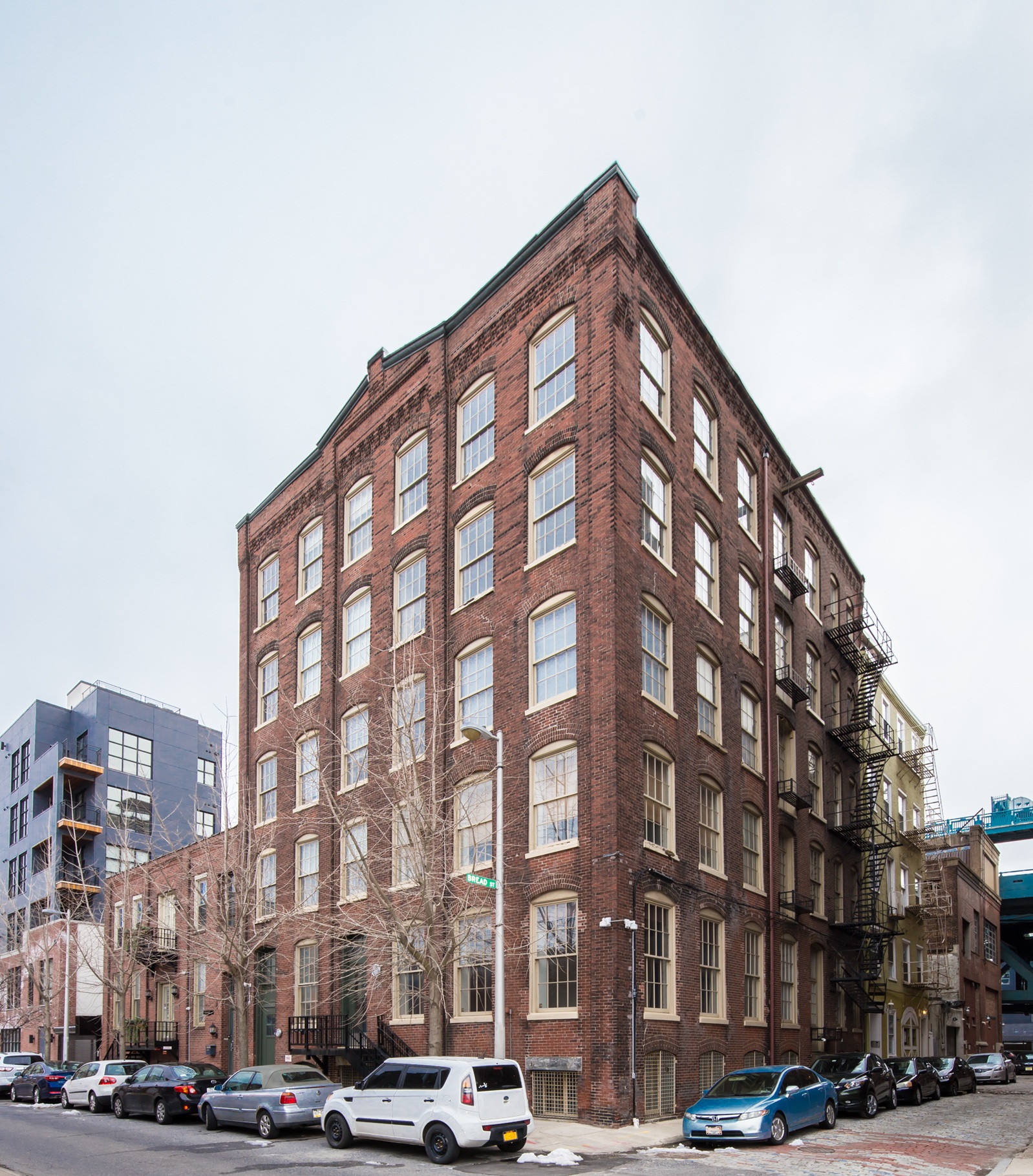
Center City Philadelphia condominiums can offer strong long-term investment potential—but not all buildings perform equally. Successful condo investing is rarely about finding the “cheapest” unit; it’s about understanding buyer demand, rental appeal, building financial health, location dynamics, and long-term resale strength.

This section of CenterCityCondos.com is designed to help investors make smarter, more informed decisions by breaking down which buildings tend to attract stable demand, which features renters consistently value, and where hidden risks can quietly erode returns.

The goal here is simple: help you evaluate Center City condos through the lens of both cash flow and long-term value preservation.

What Philadelphia Condo Renters Actually Want

Many condo investors in Center City Philadelphia make the mistake of buying based on their own tastes rather than what tenants actually prioritize. Renters are often far more practical. Layout, security, convenience, and parking usually matter more than ultra-high-end finishes or oversized square footage.

Do You Need a Lawyer to Buy a Philadelphia Condo?

Hiring a real estate attorney in Philadelphia isn't about checking a box. It's about having someone whose only job is protecting you—before you sign anything. For a purchase this size, that's not a luxury. It's leverage.

Why Higher Condo Fees in Center City High-Rises Often Attract Better Tenants

Many real estate investors initially shy away from Center City Philadelphia condominiums with higher monthly condo fees, assuming those fees automatically reduce profitability. In reality, many of the strongest-performing rental buildings in Center City are full-service high-rises with larger monthly fees because they provide exactly what today’s tenants value most: security, convenience, and predictability.

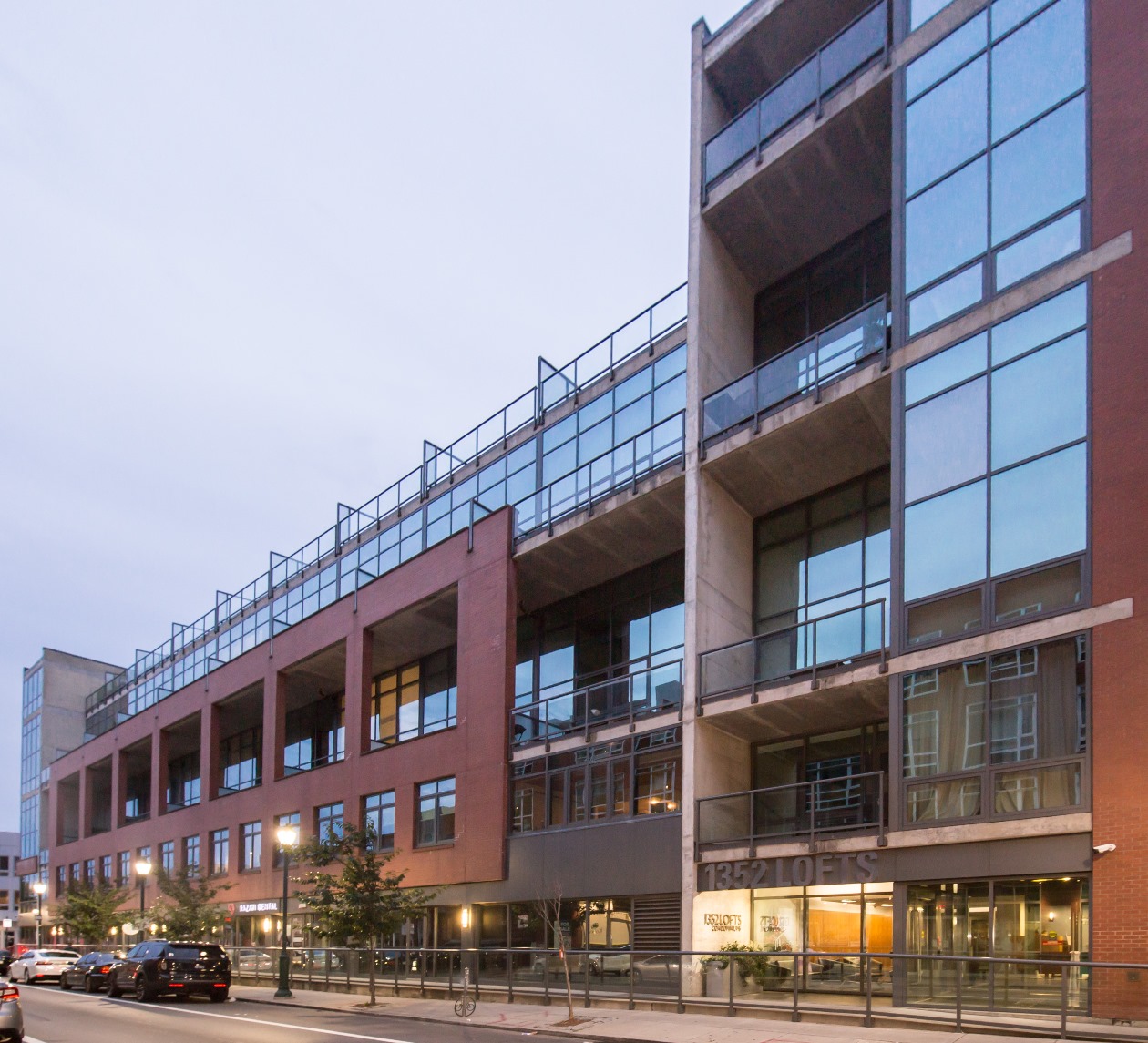
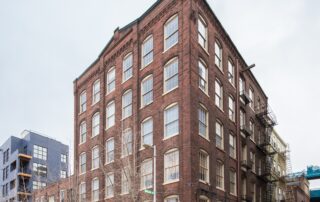
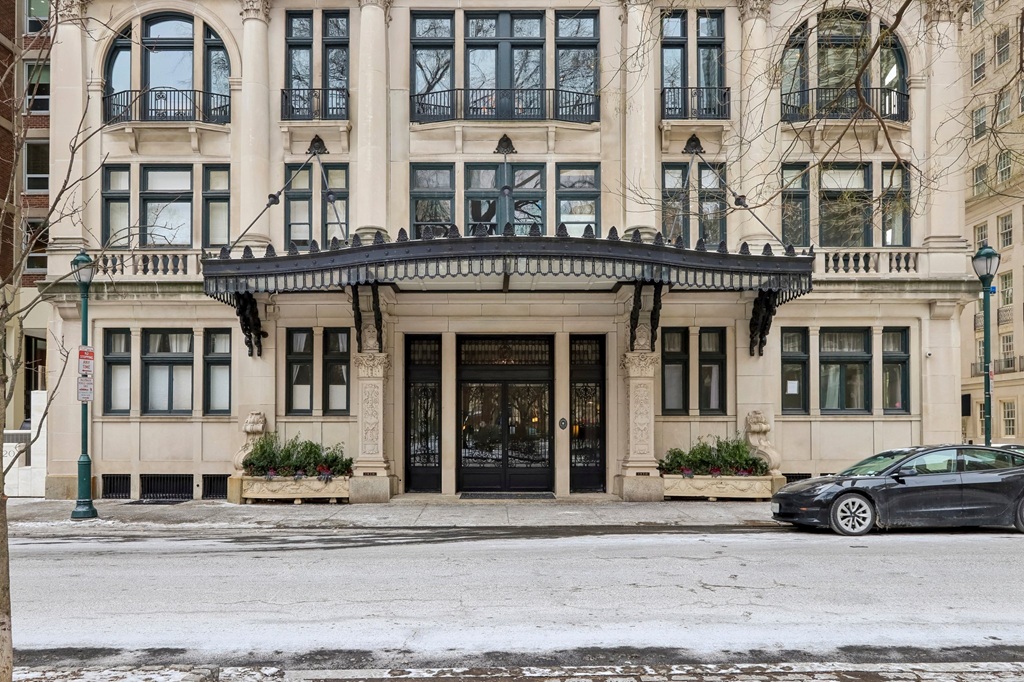
High Rise vs. Low Rise Condos in Center City Philadelphia

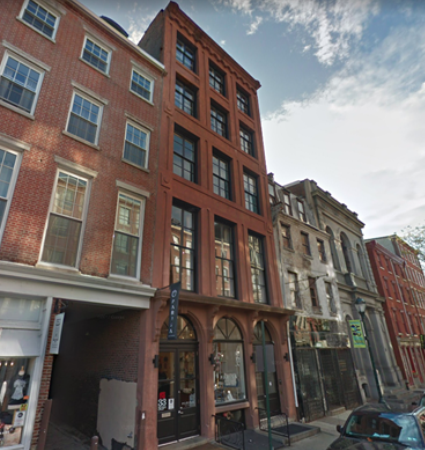
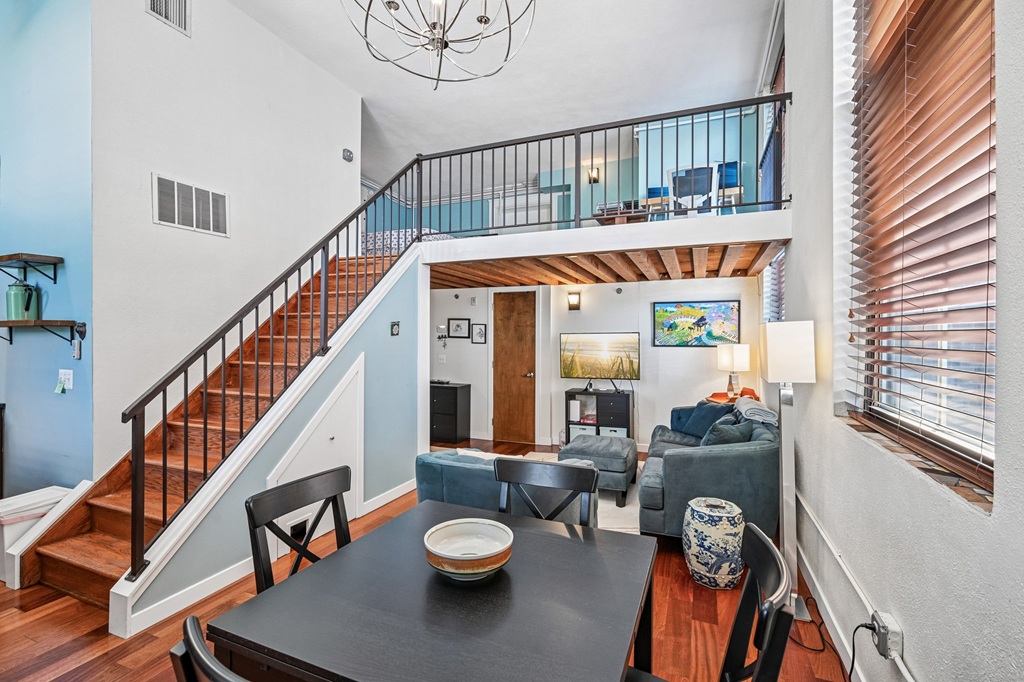
Choosing between a low rise and a high rise condo in Center City comes down to lifestyle, and both have real tradeoffs. Low rises here mean two to eight units in a converted three- or four-story townhouse or warehouse building. High rises — ten to thirty stories — operate on a different premise entirely.

Go to Top