What to Know Before You Buy a pied-à-terre
After four decades of living in Center City, I can tell you the neighborhoods here each have their own personality — and for a pied-à-terre buyer, matching that personality to how you actually use the city matters more than almost anything else. Before you commit, visit at different times of day and night — the block outside your building at 11 p.m. on a Tuesday tells you more than any Saturday afternoon walkthrough will. Think concretely about why you’re coming to Philadelphia: concerts at the Kimmel, dinners on 13th Street, business at the hospitals, and Amtrak at 30th Street Station. Then map those against the unit. Walkability isn’t a checkbox here — it’s the whole point.
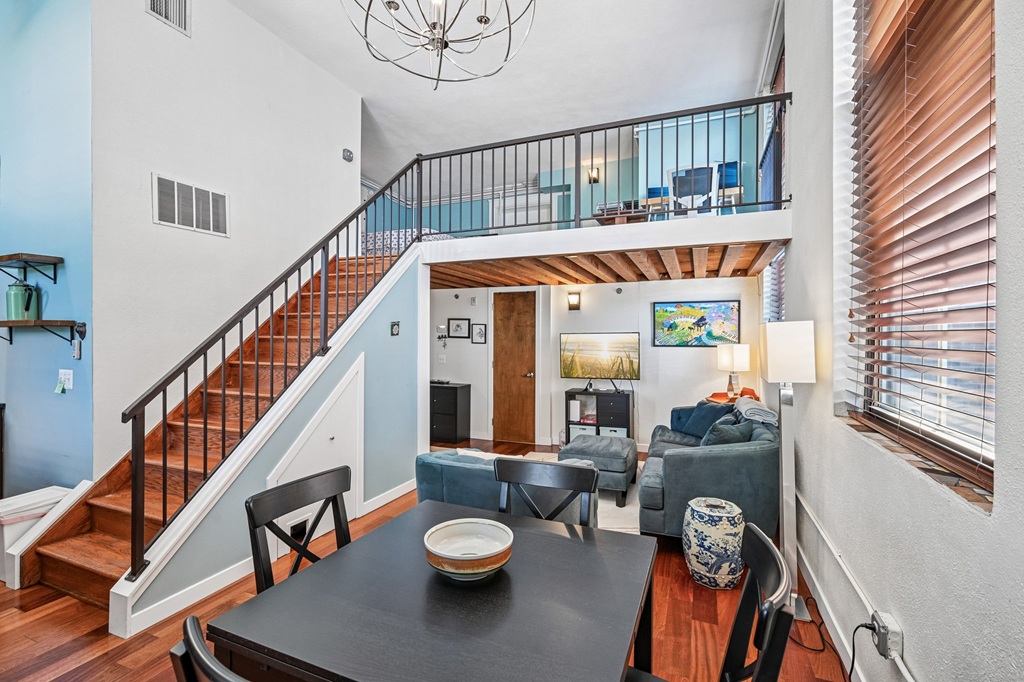
Layout and storage will make or break the experience once the novelty wears off. I’ve seen buyers fall in love with a view and ignore the fact that the kitchen is essentially a corridor or that there’s nowhere to put a suitcase. A well-designed 600-square-foot space lives larger than a poorly planned 900-square-foot space. If you arrive with a bike, golf clubs, or extra gear — and most part-time residents do — ask hard questions about building storage before you’re under contract, because it’s rarely guaranteed and often waitlisted. The unit that feels like a seamless city retreat on day one should still feel that way on day one hundred.
 Navigating the Pet Maze: A Guide to Condominium Pet Policies in Center City Philadelphia Gallery
Navigating the Pet Maze: A Guide to Condominium Pet Policies in Center City Philadelphia
Buyer Advice, Condominiums, Empty Nesters, First Time Buyers, Move-Up Buyers, Philadelphia Real Estate, Philadelphia Real Estate: Condominiums, Philly Condo Investors, PIED A TERRE
Navigating the Pet Maze: A Guide to Condominium Pet Policies in Center City Philadelphia
For many homebuyers, a furry friend is a cherished family member. But when it comes to finding a new home in Center City, Philadelphia's vibrant condo market, navigating pet policies can feel like walking a dog through a maze. This guide aims to demystify the process and empower you to make informed decisions while keeping your furry companion happy.